Time-of-use electricity tariffs raise or lower supplemental greenhouse lighting costs depending on when the lamps run. Every kilowatt hour used in a peak window costs more than one used off-peak, so the same lighting recipe can cost noticeably different amounts depending on its schedule. Growers who align assimilation lighting with cheaper windows and dim during expensive ones reduce their exposure without giving up crop performance. The sections below cover the size of the price gap, the hours that matter, and the practical steps for shifting load.
How much can peak and off-peak rates change lighting costs?
Peak and off-peak rates can change lighting costs substantially because electricity is often priced at a clear premium during high-demand periods and at a discount overnight. Since lighting is one of the largest electricity loads in a greenhouse, the tariff structure often matters as much as the installed wattage.
The exact spread depends on your region, your utility, and your contract. Time-of-use schedules differ between Ontario, US states, and the Nordic countries, and many growers in Scandinavia also deal with spot-linked pricing that moves hour by hour. Some tariffs add separate demand or capacity charges based on your highest load, which means a short burst of full-power lighting during a peak can raise costs beyond the energy price alone.
Two factors determine how much the tariff affects your bill:
- Light sum target: A tomato or cucumber crop with a high daily light integral requirement needs many lighting hours, so more of that load inevitably meets expensive windows.
- Flexibility of the schedule: The more hours you can move or dim, the less of your consumption is billed at the peak rate.
Treat your tariff as a cost variable you can manage, not a fixed overhead.
Which lighting hours fall into expensive tariff windows?
The expensive windows are usually weekday mornings and early evenings, when household and industrial demand is highest. Overnight hours and, in many regions, weekends are typically cheaper. Because supplemental lighting often runs in the early morning and extends into the evening in winter, a large share of operating hours can overlap with peak pricing.
The typical pattern looks like this:
- Morning peak: Often early to mid-morning on weekdays, which overlaps with lighting used to extend the photoperiod before sunrise.
- Evening peak: Often late afternoon into the evening, when lamps extend the day after natural light fades.
- Off-peak: Usually overnight and sometimes midday in regions with strong solar production, depending on the utility.
Seasonality matters too. In northern latitudes, including Canada and Scandinavia, winter days are short and lighting hours rise just when heating and general grid demand are also high. In that period, peak windows can coincide with most of your lighting schedule. In shoulder seasons, you often need fewer hours and have more freedom to avoid peaks. Check your utility’s published tariff calendar and overlay it against your actual lamp run hours to see exactly how much consumption lands in each band.
Can growers shift lighting to cheaper tariff periods?
Yes, growers can often shift part of their lighting to cheaper tariff periods, but the shift has to respect the crop’s light and dark requirements. Moving lamp hours toward the night and away from peak windows works well for many vegetable crops, provided the total daily light sum and a suitable dark period are maintained.
Common approaches include:
- Start lighting earlier at night: Run lamps in off-peak hours before dawn, then reduce or stop as peak pricing begins.
- Use natural light to cover peak windows: When sunlight is strong during an expensive period, lamps can be reduced or switched off without losing light sum.
- Split the photoperiod: Divide lighting into off-peak blocks, as long as the crop tolerates the pattern.
- Prioritize by weather: On bright days, drop lighting during peaks. On dark days, accept some peak use to protect the light sum.
Crop response sets the limit. Tomato and cucumber tolerate extended lighting periods well and need a consistent daily light integral, while lettuce production often follows a tighter photoperiod and benefits from stable, uniform light. Always confirm schedule changes against your cultivation strategy, climate control, and labor planning before committing, since lighting also adds heat and affects humidity and energy balance.
How does dimmable LED lighting reduce peak-rate exposure?
Dimmable horticultural LED lighting lowers peak-rate exposure by letting growers reduce light output during expensive windows instead of switching lamps off entirely. Because LED output can be adjusted smoothly, you can keep a base level of light on the crop while cutting power draw exactly when the tariff is highest.
The practical benefits are:
- Lower peak load: Dimming reduces the highest power draw, which helps where demand or capacity charges apply.
- Light sum preservation: Dimming down at peak and up off-peak lets you hit the daily light target at a lower average price per mole of light.
- Response to sunlight: Output can be trimmed automatically as natural light rises, avoiding wasted energy.
- Crop-specific control: Different zones or crops can run different intensities from the same installation.
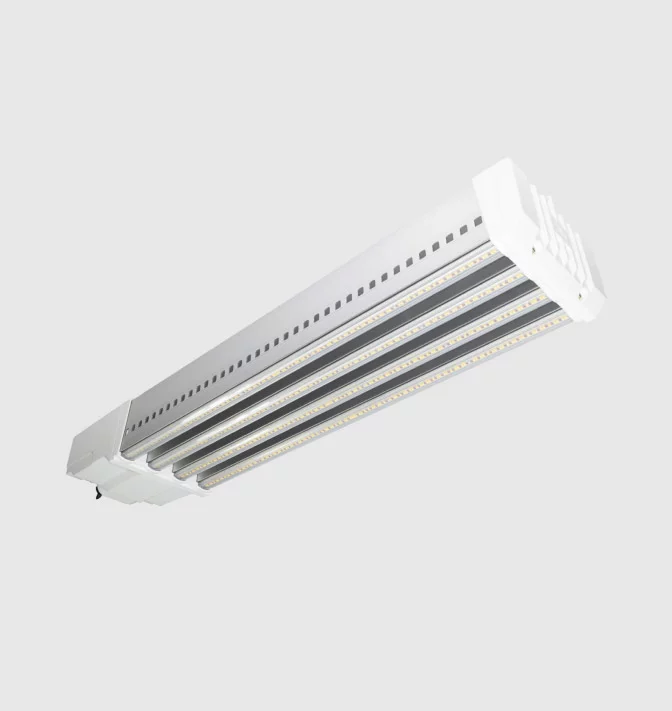
Dimming works best when the lighting control is connected to the climate computer and the tariff schedule, so intensity follows both the weather and the price signal. Unlike older technologies, LED lighting also adds less radiant heat, which gives more freedom to adjust lighting without upsetting the greenhouse climate. For growers evaluating this route, the horticultural LED product range shows what dimming and control options are available.
What should growers calculate before changing their lighting strategy?
Before changing a lighting strategy, growers should calculate their current cost per kilowatt hour by tariff band, the light sum needed per crop stage, and the cost per mole of light under different schedules. These three numbers show whether shifting or dimming saves money without hurting yield.
A practical calculation checklist:
- Map your consumption by tariff band: Use interval meter data to see how many kilowatt hours fall in peak, shoulder, and off-peak periods.
- Define the light sum target: Set the daily light integral required for each crop and growth stage.
- Calculate cost per mole of light: Divide electricity cost by delivered light output for each schedule scenario.
- Include demand and capacity charges: Check whether peak load, not only energy use, affects your bill.
- Account for climate and labor effects: Heat from lamps may reduce heating costs in winter, and schedule changes can affect staffing.
- Compare against yield and quality: A cheaper schedule only pays off if production and crop quality remain stable.
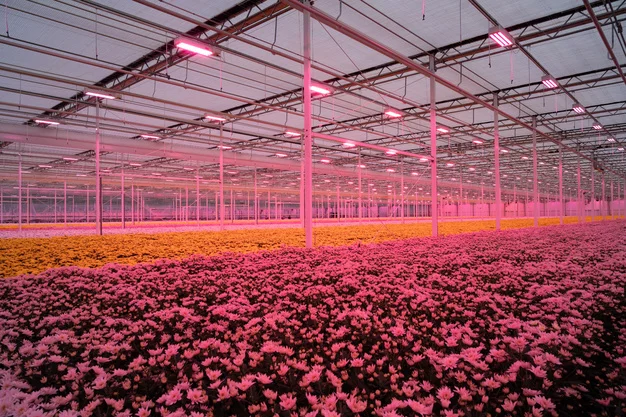
Run these numbers for the main seasons separately, since winter, spring, and autumn each present a different balance of natural light and tariff pressure. Real-world results from commercial installations, such as the Red Harvest project, illustrate how lighting design choices connect to operational outcomes.
How Dutch Lighting Innovations Helps with Time-of-Use Lighting Costs
Managing lighting costs under time-of-use tariffs takes both the right hardware and the right cultivation know-how. Dutch Lighting Innovations develops crop-specific LED lighting for professional greenhouse growers, designed around the light recipe your crop needs and the energy conditions your business operates in.
Our tailored lighting solutions support tariff-aware lighting in several concrete ways:
- Crop-specific configurations: Lighting layouts and intensities designed around tomato, cucumber, or lettuce requirements and your cultivation strategy.
- Dimmable, efficient LED technology: Output that can be lowered during peak windows and raised off-peak to protect your light sum.
- Schedule and control guidance: Practical advice on aligning lighting hours with your local tariff structure, whether in Canada, the US, or Scandinavia.
- Season-long involvement: Ongoing support and performance optimization throughout the growing season, not only at installation.
- Independent, direct communication: Fast decisions and personal support from a specialist team.
Want to know what your tariff means for your lighting costs in 2026? Contact our team to discuss your crop, your electricity tariff, and a lighting setup built to lower your cost per mole of light.