Prescriptive incentive programmes pay a fixed, pre-set rebate for standard, pre-qualified LED fixtures, while custom incentive programmes pay based on measured or modelled energy savings for projects that do not fit a standard category. Prescriptive routes are faster and simpler. Custom routes reward larger, more complex greenhouse lighting projects with higher potential payouts.
For commercial growers planning a horticultural LED upgrade in 2026, the right route depends on fixture type, project size, and timing. The questions below explain how each programme works so you can match your project to the most rewarding option.
How is the incentive amount calculated under each programme type?
Prescriptive programmes calculate the incentive from a fixed formula, usually a set amount per fixture, per watt, or per unit of lighting capacity installed. Custom programmes calculate it from verified energy savings, typically a rate per kilowatt-hour saved, based on an engineering analysis of your specific greenhouse.
In a prescriptive programme, the administrator has already determined the expected savings for a qualifying product category. You multiply the number of qualifying fixtures by the published rate, and the payout is predictable before you commit to the project. This makes budgeting straightforward and removes uncertainty from the business case.
Custom programmes work differently. An engineer models your baseline, such as existing high-pressure sodium (HPS) lighting, and compares it with the proposed LED system, factoring in operating hours, photoperiod, supplemental light levels, and any interaction with heating. The incentive follows the calculated savings, often with a cap tied to a percentage of project cost or a maximum payback threshold. Because the calculation reflects your real operating profile, a greenhouse with long lighting hours, such as winter tomato or cucumber production, can earn considerably more than a flat prescriptive rate would pay.
Which greenhouse lighting projects qualify for prescriptive incentives?
Greenhouse lighting projects qualify for prescriptive incentives when they install pre-listed, eligible LED fixtures that replace specified existing technology, typically HPS lamps, and meet the programme’s efficacy and certification thresholds. Straightforward like-for-like replacements are the best fit.
Eligibility criteria usually include the following:
- Listed products: fixtures appear on the programme’s qualified product list, often requiring independent testing or recognised horticultural lighting certification.
- Minimum efficacy: the fixture must reach a stated photon efficacy, commonly expressed in micromoles per joule.
- Defined baseline: the existing system is a recognised technology being retrofitted or replaced.
- Standard application: the installation matches a common use case, such as supplemental lighting in a vegetable greenhouse.
Projects with unusual layouts, combined lighting and climate control changes, or non-listed fixtures usually fall outside the prescriptive route, even if they would save more energy overall.
When does a custom incentive programme make more sense?
A custom incentive programme makes more sense when your project is large, technically complex, or uses crop-specific lighting configurations that standard rebate categories do not capture. If your calculated savings exceed what a flat prescriptive rate would pay, the custom route usually delivers a higher incentive.
Typical situations that favour the custom route include:
- New-build greenhouses or major expansions with no existing baseline to replace
- Hybrid lighting designs that combine overhead and inter-lighting for crops such as tomato and cucumber
- Projects where lighting is integrated with screens, heating, or energy management controls
- Long lighting schedules, such as year-round lettuce production, where annual savings are substantial
- Fixtures or spectra not yet on a prescriptive list
The trade-off is effort. Custom applications demand engineering analysis and longer review times, so the extra payout must justify the administrative work. For small retrofits, prescriptive is often the better value once time and consultancy costs are included.
What documentation and approvals does each route require?
Prescriptive applications require relatively light documentation: product specifications, quantities, installer invoices, and proof of installation. Custom applications require detailed energy calculations, baseline data, a project scope, and formal pre-approval from the programme administrator before work begins.
A typical prescriptive file includes the application form, fixture datasheets showing certification and efficacy, purchase invoices, and installation confirmation. Many administrators process these in a single review once the work is complete.
A custom file is heavier. Expect to provide:
- Existing lighting inventory and operating hours
- An energy savings analysis comparing baseline and proposed systems
- Technical specifications and a lighting design or layout
- Project cost estimates and a construction schedule
- Signed pre-approval or an incentive agreement before purchase
- Post-installation verification, sometimes including metering
Accurate records of existing electricity consumption strengthen any custom application and reduce the risk of reduced payouts after verification.

How does project timing affect incentive eligibility?
Project timing affects eligibility because most programmes require pre-approval or a reservation of funds before you order equipment or start installation. Purchasing fixtures or beginning work early can disqualify the project, and annual budgets may run out before the year ends.
Custom programmes are usually the strictest. Approval must be in place before any binding purchase order, and the programme may set a completion deadline after approval. Prescriptive programmes are often more flexible, and some accept applications after installation, but others now require pre-approval or a reservation step as well. Always confirm the rules for your specific programme.
Greenhouse growers should also align timing with the cultivation calendar. Installing lighting during a crop changeover limits production disruption, and applying early gives you time to resolve questions before that window closes. Funding pools can be exhausted mid-year, so submitting early in the programme year improves your chances.
Can a project combine prescriptive and custom incentives?
Most programmes do not allow the same equipment to receive both incentives, but a single greenhouse project can sometimes use both routes for different measures. For example, standard fixtures might claim a prescriptive rebate while a separate controls or integrated system earns a custom incentive.
Administrators generally prohibit double counting, meaning the same kilowatt-hours saved cannot be claimed twice. Splitting a project into clearly separate scopes, each with its own documented savings, is the usual way to stay compliant. Some programmes also cap total incentives at a percentage of project cost, which limits the benefit of stacking.
Check the programme rules before structuring your application, and ask the administrator in writing whether a split approach is permitted. Stacking with other funding, such as regional grants or tax benefits, follows separate rules and should be verified independently.
How DLI Helps with Greenhouse Lighting Incentive Projects
Choosing between prescriptive and custom routes is easier when the lighting design is built around your crop and your operation from the start. Dutch Lighting Innovations develops tailored lighting solutions that give growers the technical foundation incentive applications depend on.
- Crop-specific configurations: lighting designed around tomato, cucumber, or lettuce production, supporting accurate savings calculations for custom applications.
- Documented performance data: clear specifications and efficacy information that support both prescriptive and custom documentation.
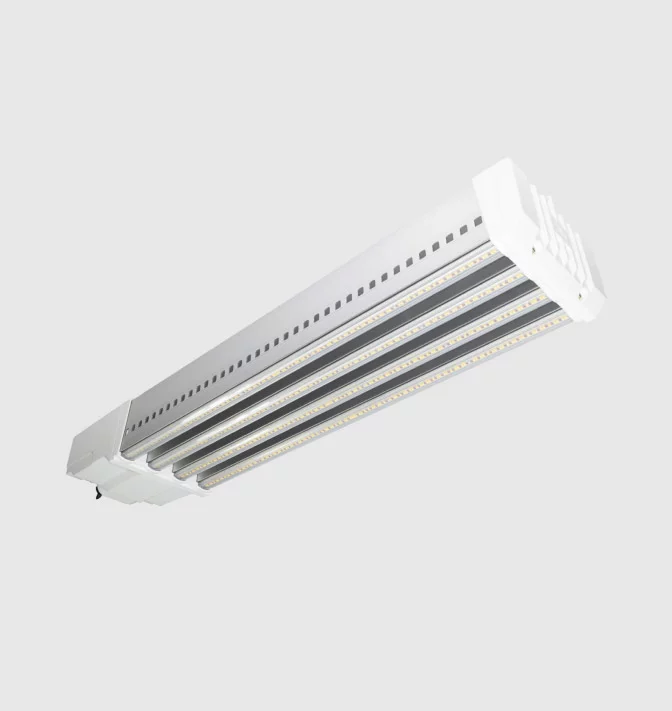
- Energy-efficient fixtures: explore our horticultural LED products built for productive, lower-consumption cultivation.
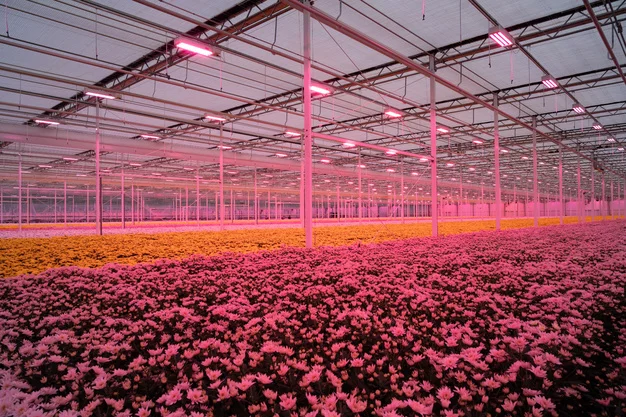
- Real-world proof: see how a grower achieved results in Project Red Harvest.
- Season-long partnership: direct, personal support from design through ongoing performance optimisation.
Planning a lighting upgrade and want to understand which incentive route fits your greenhouse? Contact our team to discuss your project before you commit to a programme.